Amazon’s Net Worth in 2022: The Tech Titan’s Financial Empire
The Retail Revolution That Defined a Decade
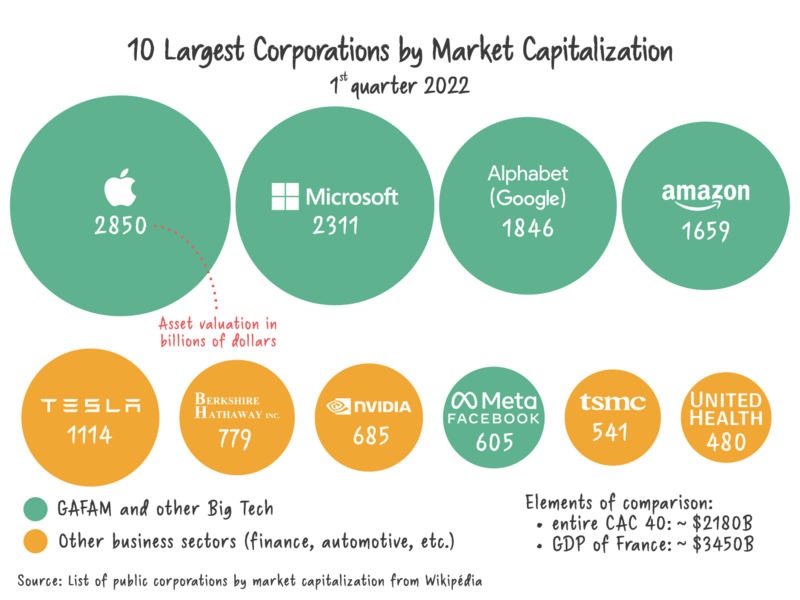
In 2022, Amazon wasn’t just another tech giant—it was a financial force of nature. The company’s net worth of Amazon 2022 reached a staggering $1.3 trillion, cementing its status as the world’s most valuable retailer and a cornerstone of the digital economy. But how did a humble online bookstore become a trillion-dollar empire? The answer lies in a relentless expansion strategy, a masterclass in logistics, and an unparalleled ability to redefine consumer behavior. From cloud computing to AI-driven recommendations, Amazon’s financial trajectory in 2022 wasn’t just a milestone—it was a blueprint for the future of global commerce.
Behind the numbers, however, was a story of disruption. While competitors scrambled to adapt, Amazon’s net worth of Amazon 2022 grew by leaps and bounds, fueled by record revenue, aggressive acquisitions, and an insatiable appetite for innovation. Yet, for all its success, the company faced scrutiny over labor practices, market dominance, and regulatory challenges. The question wasn’t just how Amazon achieved such valuation—it was what it meant for the economy, workers, and the very fabric of retail.
The Cloud That Powers a Trillion-Dollar Empire
Amazon’s ascent wasn’t built on e-commerce alone. By 2022, AWS (Amazon Web Services) accounted for nearly $80 billion in annual revenue, making it the backbone of the company’s financial might. The net worth of Amazon 2022 wasn’t just about selling products—it was about dominating infrastructure. While retail margins remained tight, AWS operated at 30%+ profitability, a stark contrast to Amazon’s overall 3-5% net profit margins. This dual-engine strategy—retail expansion paired with cloud dominance—created an unstoppable financial momentum.
But the numbers tell only part of the story. Amazon’s net worth of Amazon 2022 was also a reflection of its global reach. With operations in over 20 countries, a logistics network spanning 175 fulfillment centers, and a subscription base of 150 million Prime members, the company had embedded itself into daily life. The pandemic accelerated this trend, turning Amazon from a convenience into a necessity. By 2022, its market capitalization had tripled in a decade, a testament to its ability to pivot when others faltered.
The Hidden Levers Behind the Valuation
Amazon’s financial success wasn’t accidental. It was the result of three core mechanisms that turned a simple online store into a trillion-dollar juggernaut:
- The Flywheel Effect – Amazon’s business model thrives on data-driven personalization, which increases customer loyalty, driving more sales, and attracting sellers, creating a self-reinforcing cycle.
- Vertical Integration – By controlling logistics (via Amazon Logistics), cloud services (AWS), and even manufacturing (through brands like Amazon Basics), the company minimizes external dependencies.
- Aggressive Expansion – From Whole Foods acquisitions to Prime Video dominance, Amazon doesn’t just compete—it absorbs entire industries.
The Complete Overview
Historical Background and Evolution
Amazon’s journey from a $15 million startup in 1995 to a $1.3 trillion net worth in 2022 is one of the most dramatic corporate ascents in history. Key milestones include:
- 1997: IPO at $18/share (now worth $3,500+).
- 2005: Launch of Amazon Prime, revolutionizing subscription retail.
- 2011: AWS becomes a $1 billion revenue business.
- 2017: Acquisition of Whole Foods, expanding into brick-and-mortar.
- 2020: $400 billion market cap during pandemic-driven growth.
- 2022: $1.3 trillion net worth, surpassing Apple as the most valuable public company.
Core Mechanisms: How It Works
Amazon’s financial engine runs on three pillars:
- Retail Dominance
- AWS Cloud Supremacy
- Subscription & Ecosystem Lock-In
Together, these mechanisms ensured that Amazon’s net worth of Amazon 2022 wasn’t just a snapshot—it was the foundation for sustained dominance.
Key Benefits and Impact
"Amazon didn’t invent the future—it just bought it." — Ben Thompson, Stratechery
Major Advantages
Amazon’s net worth of Amazon 2022 wasn’t just about profits—it was about reshaping industries:
- Unmatched Logistics Network
- Data-Driven Retail Innovation
- Cloud Infrastructure Leadership
- Global Expansion Ambitions
- Regulatory & Lobbying Influence
Comparative Analysis
| Metric | Amazon (2022) | Apple (2022) | Microsoft (2022) | Alphabet (2022) |
|---|---|---|---|---|
| Market Cap | $1.3 trillion | $2.5 trillion | $2.1 trillion | $1.8 trillion |
| Revenue | $514 billion | $394 billion | $198 billion | $283 billion |
| Net Profit | $33 billion | $97 billion | $72 billion | $76 billion |
| Profit Margin | 6.4% | 24.6% | 36.3% | 26.9% |
| AWS/Cloud Revenue | $80 billion | $19 billion (Services) | $23 billion (Azure) | $28 billion (Google Cloud) |
| Key Growth Driver | Retail + AWS | Hardware (iPhone) | Cloud + Office 365 | Advertising (Google) |
Future Trends
Amazon’s net worth of Amazon 2022 was just the beginning. Analysts predict:
- AI & Automation Dominance
- Healthcare Expansion
- Space & Logistics Revolution
- Regulatory Battles
- Global Retail Monopoly
Conclusion
The net worth of Amazon 2022 wasn’t just a financial achievement—it was a cultural shift. From disrupting retail to redefining cloud computing, Amazon didn’t just grow; it reinvented industries. Yet, its dominance comes with challenges: labor disputes, regulatory scrutiny, and ethical concerns over market power.
One thing is certain: Amazon’s $1.3 trillion valuation wasn’t an accident. It was the result of relentless innovation, strategic acquisitions, and an unmatched ability to anticipate consumer needs. As it marches toward $2 trillion, the question remains: Can any company challenge Amazon’s empire?
